Europe is famous for its castles, cathedrals and charming cafés. But hidden among the postcards are places that refuse to give up their secrets. Some are wrapped in folklore, some in missing records, and some in scientific questions nobody has fully answered. Here are seven mysterious places in Europe that still make historians, scientists and travelers stop and wonder.
1. Poveglia Island, Italy
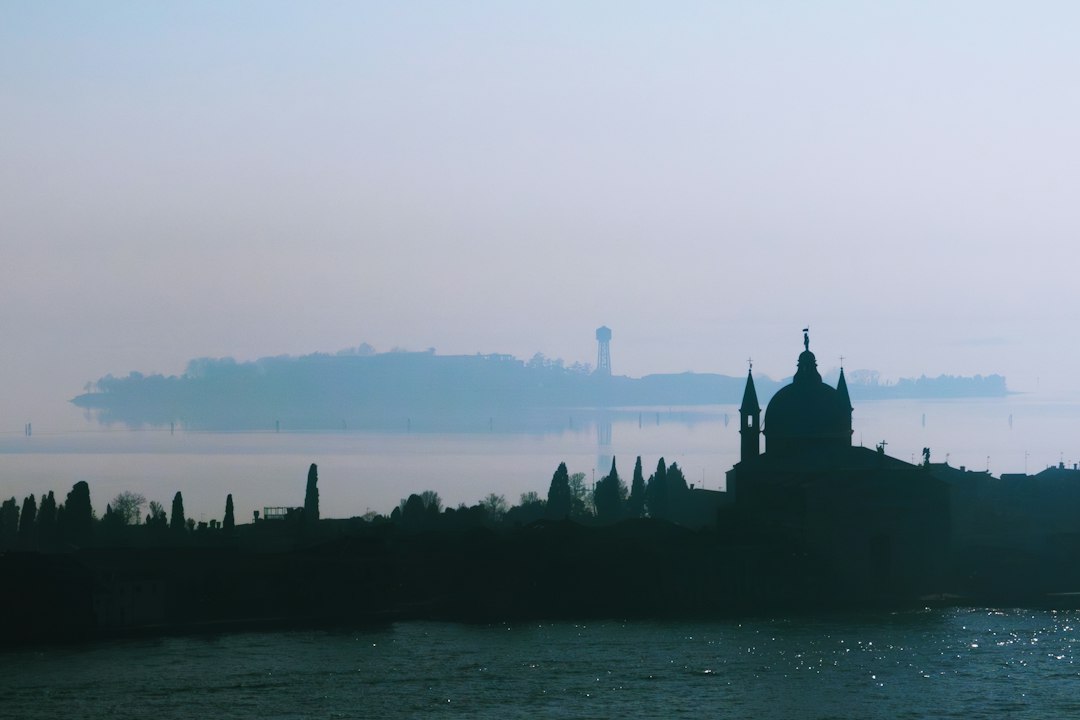
Hidden in the Venetian Lagoon between Venice and Lido, Poveglia was used for centuries to isolate people suffering from plague and other contagious diseases. In 1922 its buildings became a mental hospital, which closed in the late 1960s. Since then the island has stood abandoned and closed to ordinary visitors. Local legends speak of mass graves, restless patients and a cruel doctor, yet historians have found little solid evidence for the most chilling stories. The island’s real history of quarantine and illness is dark enough to explain why its reputation never fades.
2. The Crooked Forest, Poland
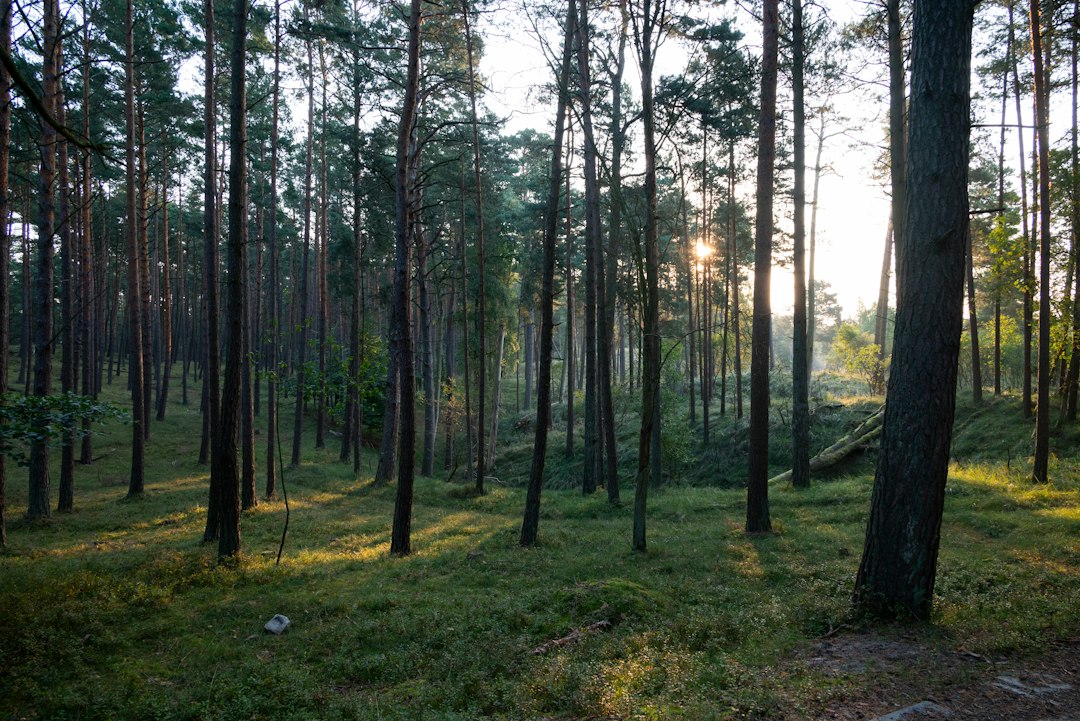
Near the town of Gryfino in West Pomerania stands a grove of roughly 400 pine trees, each bent sharply at the base before curving back upward. The trees were most likely planted in the 1930s, yet nobody knows for certain how or why they grew this way. Theories include deliberate shaping by foresters to produce curved timber for boats and furniture, damage from heavy snow, and the outbreak of World War II interrupting the plan. No document has settled the argument, so the Crooked Forest keeps its secret.
3. The Catacombs of Paris, France
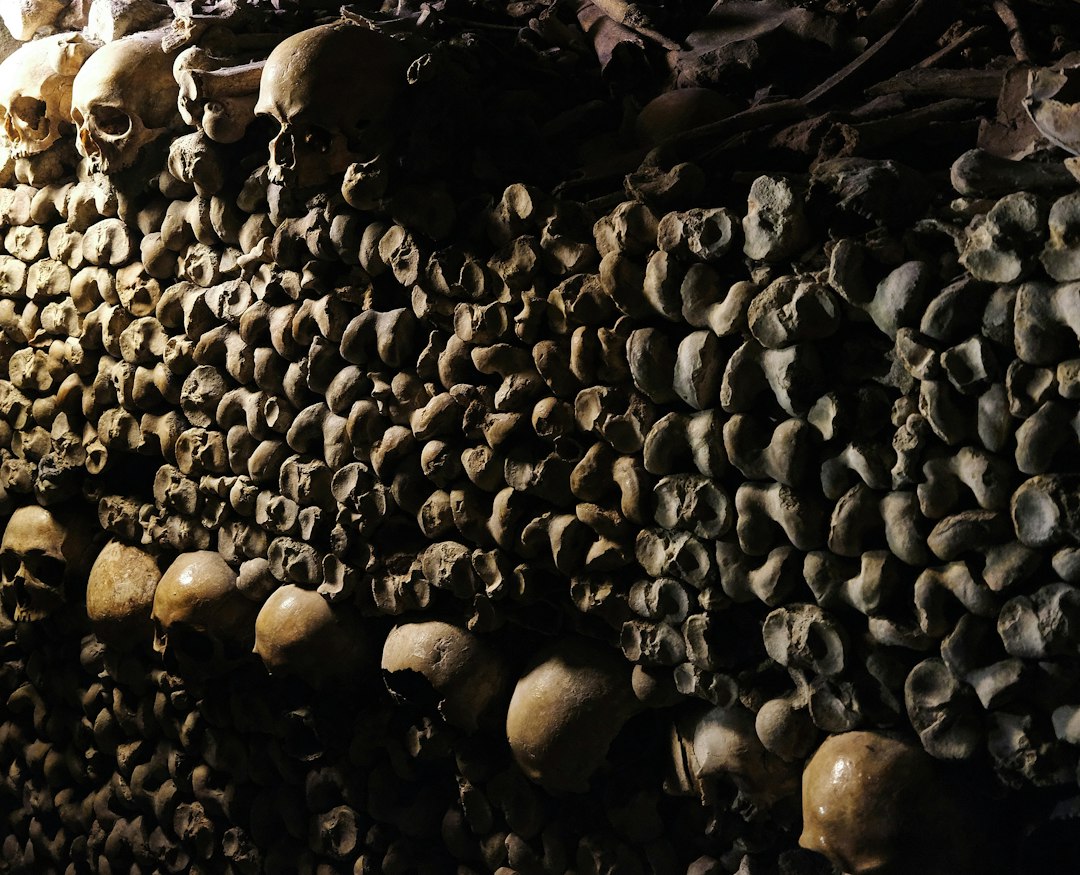
Beneath the streets of Paris, old limestone quarries were turned into an ossuary in the late 1700s, when overcrowded cemeteries became a health danger. The remains of an estimated six million people were moved underground. The real mystery is not why the bones are there, but what else lies below. The tunnel network is believed to stretch for around 300 kilometres, while only about two kilometres are open to tourists. In 2004, police even discovered a fully equipped secret cinema, bar and kitchen hidden in a cavern under the city.
4. Lake Resia, Italy
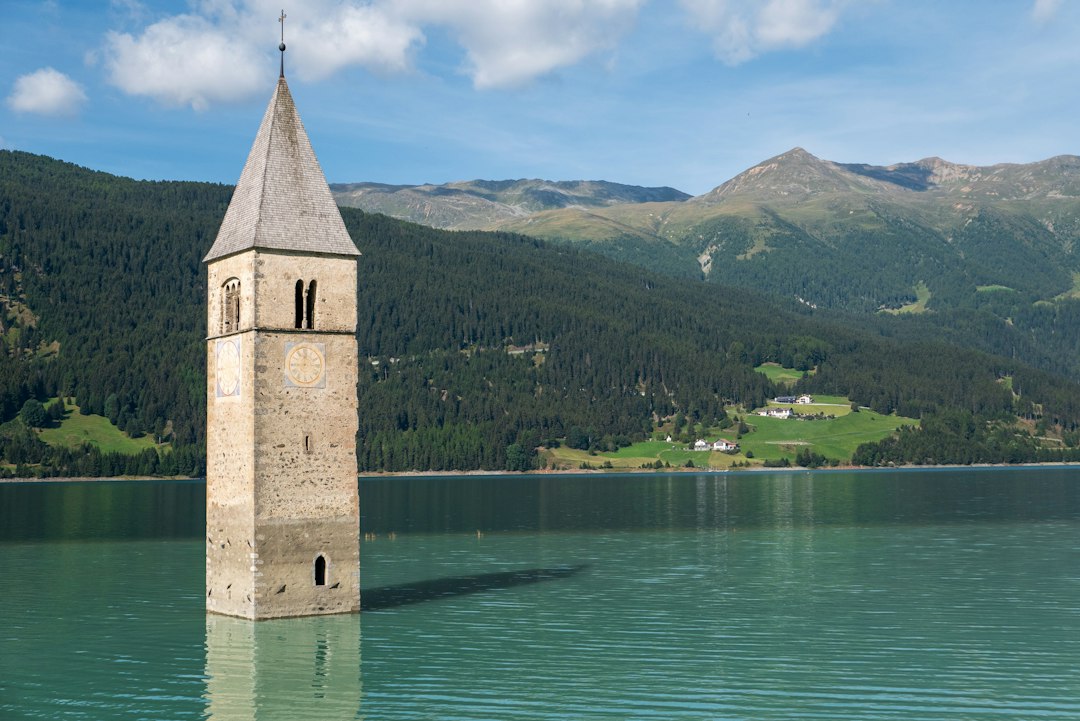
A lone bell tower from the 14th century rises out of the water in South Tyrol. It is all that remains in sight of the village of Graun (Curon), which was flooded in 1950 when lakes were joined together to create a larger reservoir for hydroelectric power. More than a hundred homes went under the water and hundreds of people had to leave. A popular tale says you can hear the church bells ringing beneath the surface, but the bells were actually removed before the flooding. The story is folklore, which is exactly why the tower feels so haunting.
5. The Carnac Stones, France
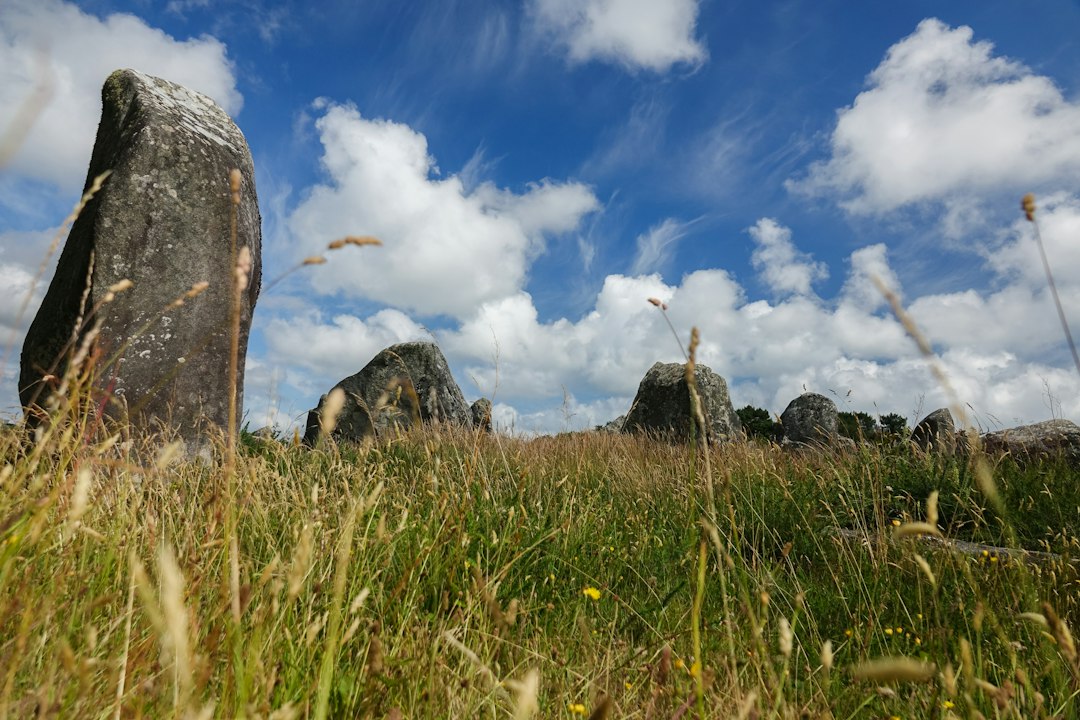
In Brittany, more than 3,000 prehistoric standing stones are lined up in long, almost perfectly straight rows. They were raised thousands of years ago, in some cases before Stonehenge even existed, by people who left no written record. Were they a giant calendar, a place of ceremony or a memorial to the dead? Nobody can say for sure. A local legend claims that Saint Cornelius turned a pursuing Roman army into stone, and the stones have been part of Breton storytelling ever since.
6. Hoia Baciu Forest, Romania
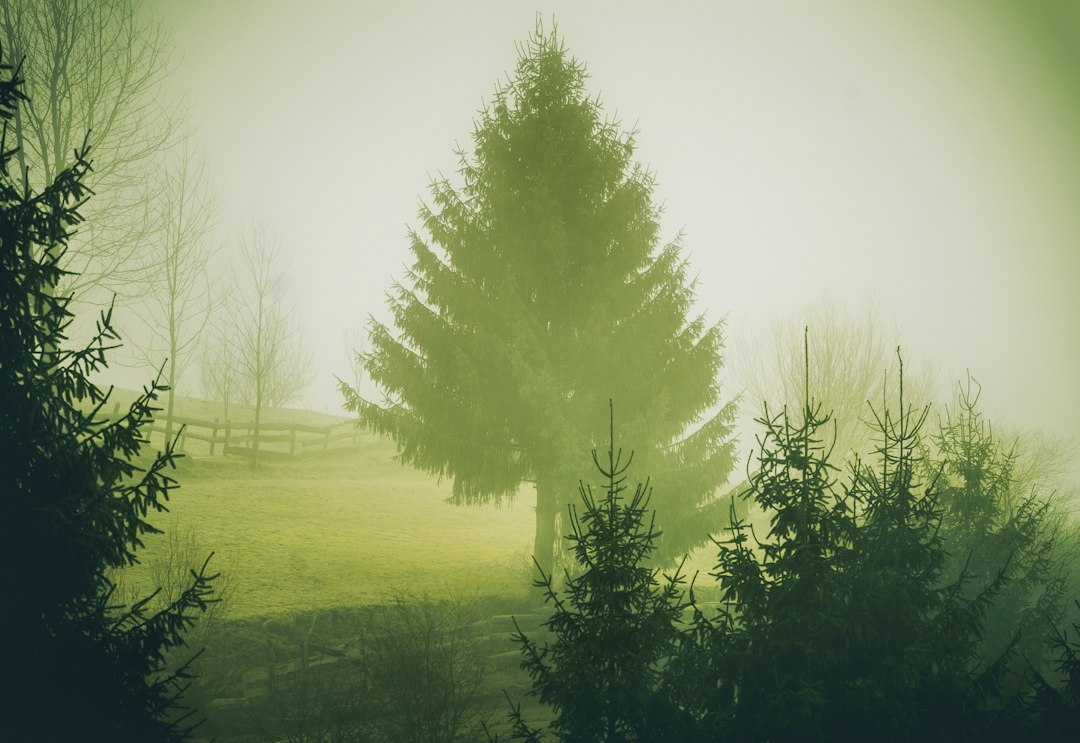
Close to the city of Cluj-Napoca, Hoia Baciu is often called the Bermuda Triangle of Romania. Visitors have reported strange lights, sudden unease and feelings of being watched, and a photograph from the 1960s that supposedly shows a flying saucer helped make the forest famous. Its trees grow in twisted shapes, and there is an oddly circular clearing where little seems to grow. There is no scientific proof of anything paranormal, and explanations from soil conditions to pure imagination have been suggested, but the forest’s reputation keeps visitors coming.
7. Stonehenge, England
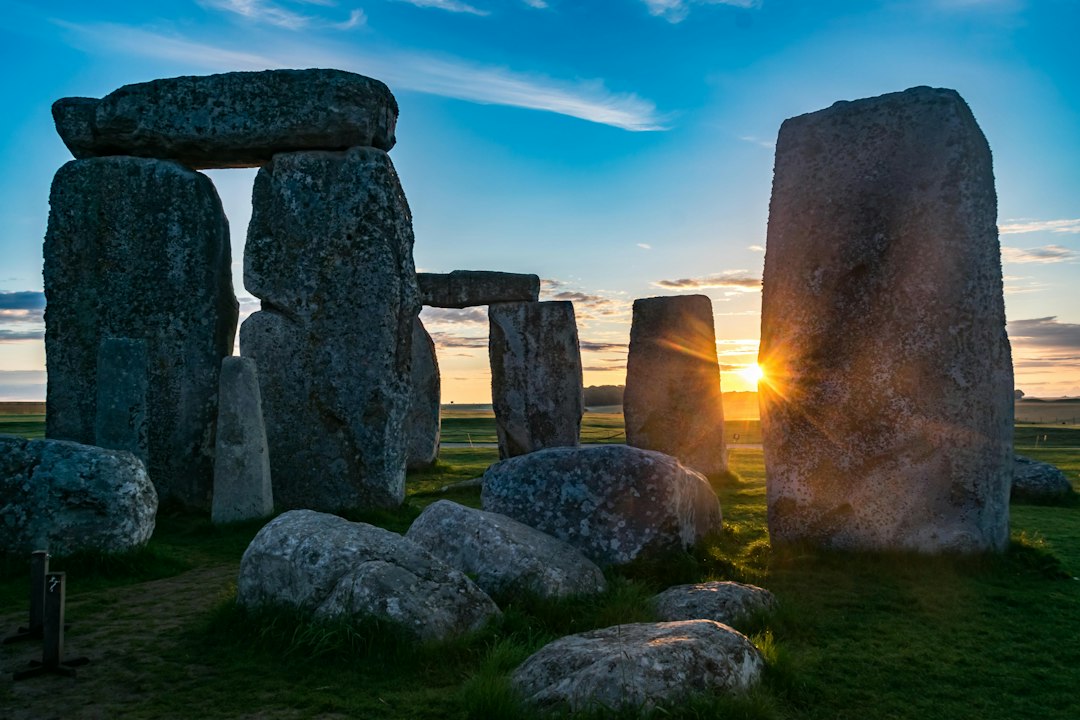
Stonehenge in Wiltshire was built in stages beginning around 3000 BC, and it still raises questions today. The giant sarsen stones came from roughly 25 kilometres away, while the smaller bluestones were brought from the Preseli Hills in Wales, about 240 kilometres away. In 2024, researchers traced the six-tonne Altar Stone to north-east Scotland, more than 700 kilometres from the monument. How Stone Age communities moved such heavy rocks, and why they went to such lengths, is still debated. Was it a calendar, a burial ground, a healing site or a sacred meeting place?
Why These Places Still Fascinate Us
Some of these mysteries have partial answers, and others may never be solved. That is part of their power: each place sits somewhere between history, science and legend. The next time you read a dramatic story about any of them, ask what is documented and what is folklore, because the true story is often just as fascinating.
Which of these seven would you most like to visit? Tell us in the comments.